







Search Results for: foreign exchange auction

Ethiopia's exchange rate volatility intensifies, coffee export prices continue to climb
The National Bank of Ethiopia recently held a foreign exchange auction in an attempt to narrow the gap between the official exchange rate and the parallel market, but the sharp depreciation of the birr has already pushed up domestic prices, with the coffee industry bearing the brunt. The Coffee and Tea Authority, together with the National Bank, has issued minimum export floor prices for each producing region. The price of G1-grade coffee beans rose by about 5% month-on-month, while the increase for commercial beans reached 14%. The combined effects of exchange rate volatility, dependence on imports, and insufficient foreign exchange earning capacity mean that prices for Ethiopian coffee and other export commodities may continue to rise in the future. Front Street Coffee continues to monitor developments in producing regions, bringing enthusiasts the latest market analysis. [more…]

A Comprehensive Analysis of Kenyan Coffee Bean Grading and Cultivation Processing Systems: From AA Classification to Auction Trading
Kenyan coffee is renowned worldwide for its intense, full-bodied fruity acidity, and its unique flavor profile is inseparable from its strict grading system and refined cultivation and processing systems. This article will systematically sort out the development of Kenyan coffee, from its introduction during the colonial period to the Scott Laboratories' selection and breeding of SL28 and SL34, and then to the grading standards such as AA, AB, and PB established in 1938, interpreting one by one the meanings and characteristics of the E, AA, AB, C, PB, TT, and T grades. At the same time, it will provide an in-depth introduction to the flavor differences of major Kenyan coffee regions such as Nyeri, Kirinyaga, and Thika, analyze the coexistence of large estates and smallholder cooperatives, as well as the two trading mechanisms of the Nairobi Coffee Exchange auction and direct trade. Front Street Coffee will also share roasting and pour-over recommendations for Kenyan Asalia coffee beans, taking you through a comprehensive understanding of the coffee world of this East African producing country. [more…]
A Comprehensive Analysis of Ethiopian Coffee Plantation Distribution and the Flavor Characteristics of Yirgacheffe
Ethiopia, as the birthplace of coffee, enjoys exceptional natural conditions and a long-standing cultivation tradition. This article will guide you through an in-depth understanding of Ethiopia's coffee-growing regions, cultivation models, processing methods, grading systems, and export overview, with a special focus on the flavor characteristics of renowned coffees such as Yirgacheffe. Whether you are a coffee enthusiast or a professional in the industry, you will gain comprehensive knowledge about Ethiopian coffee. The many Ethiopian beans recommended by Front Street Coffee come precisely from these high-quality growing regions. [more…]
Ethiopian Harrar Mocha Coffee Bean Flavor Analysis: From Origin to Aroma in the Cup
Ethiopia is the birthplace of coffee and one of the most important Arabica-producing countries in the world. The Harar region is located at a high altitude, and the mocha coffee beans it produces are famous for their medium acidity, exotic flavors, and dried-fruit aroma. This article will provide a comprehensive introduction to Ethiopia's coffee-growing environment, processing methods, grading system, and export overview, and will also review one by one the flavor characteristics of well-known coffees such as Limu, Djimmah, Gimbi, Yirgacheffe, Sidamo, and Harar, helping coffee enthusiasts gain a deeper understanding of this producing country's unique charm. [more…]
Ethiopian Coffee: A Comprehensive Guide to Origin Grading, Flavor Characteristics, and Local Brands
As the birthplace of coffee, Ethiopia, with its exceptional natural conditions, nurtures a diverse range of high-quality Arabica coffees. From forest and semi-forest to garden cultivation, from washed to natural processing, each coffee carries a unique terroir imprint. This article systematically reviews Ethiopia's coffee cultivation models, processing methods, grading and quality control systems, provides detailed flavor profiles and annual production of six renowned regions, and includes contact information for trade-related institutions and associations. Meanwhile, the selection of Ethiopian beans recommended by Front Street Coffee will also offer purchasing references for enthusiasts. [more…]

Analysis of the Chaka Lot from Ethiopia's Gesha Village Estate: The Origins and Characteristics of a High-Value Gesha Blend
Ethiopia is the birthplace of coffee, and coffee is also an important source of foreign exchange for the country. More than 4 million farmers nationwide grow coffee using forest coffee and garden coffee models, with only about 10% being estates. Among the many estates, the Gesha Village Coffee Estate in the Bench Maji region is the most well-known. It covers 500 hectares and has its own processing plant and laboratory, mainly cultivating and exporting the Geisha variety. Drawing on the grading system of famous Panamanian estates, the estate divides its coffee into five lots:競標 (Auction), Gold, Red, Green, and Chaka. Among them, the Chaka lot is known for its high cost-effectiveness and stable, large-volume supply. It is a Geisha blend launched by Gesha Village, mixing three varieties: Geisha 1931, Gori Gesha, and Illubabor 1974, accounting for 70% of the annual production. Front Street Coffee will also guide you through the unique charm of this lot. [more…]
An Analysis of Kenyan AA Coffee Bean Variety Characteristics and a Full Description of Its Pour-Over Flavor and Mouthfeel
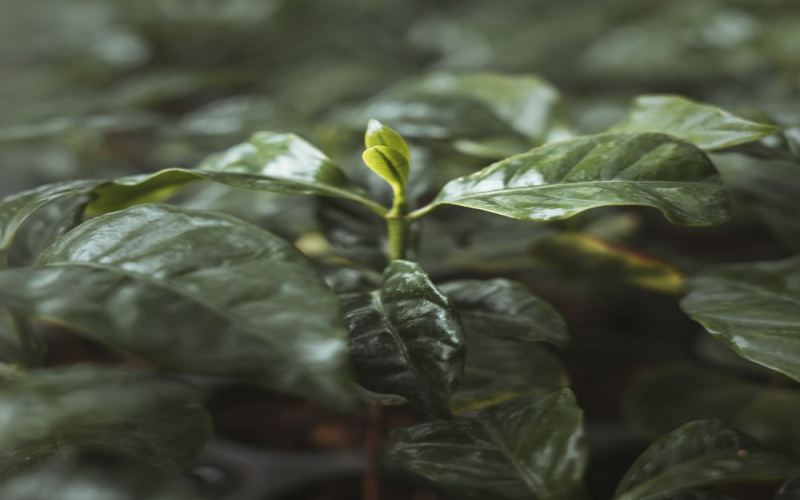
Kenyan coffee is renowned worldwide for its intense, full-bodied fruity acidity, forming a sharp contrast with the soft, bright character of neighboring Ethiopia. This article systematically reviews the development history, growing conditions, major producing regions, variety characteristics, and grading system of Kenyan coffee, and documents in detail Front Street Coffee's roasting, cupping, and pour-over parameters for two beans—Kenya Asaliya AA TOP and Sasini Estate PB—helping coffee enthusiasts gain a comprehensive understanding of Kenyan coffee from seed to cup. [more…]
A Complete Analysis of Ethiopia's Sidama Coffee Region: The Flavor Code from Cultivation and Processing to Grading and Export
Ethiopia is widely recognized as the birthplace of coffee and is also a major producer of Arabica coffee in Africa. This article systematically reviews the full picture of Ethiopia's coffee industry, from geographical environment, cultivation methods, and processing techniques to the grading system and export trade, and introduces one by one the flavor characteristics of well-known producing regions such as Limu, Djimma, Sidamo, and Harar. The article also compiles information on the origin, processing method, and price of multiple Yirgacheffe and Sidamo specialty beans from the Front Street brand, making it suitable reading and reference for enthusiasts who wish to gain a deeper understanding of Ethiopian coffee. [more…]
Overview of Ethiopia's Coffee Industry: A Comprehensive Analysis from Planting Traditions to the EXC Grading and Export System
Ethiopia is the birthplace of coffee and the primary producer of Arabica coffee in Africa. This article systematically reviews Ethiopia's coffee-growing environment and traditions, production and processing methods, grading and quality control system, and export trade landscape. It provides a detailed introduction to three cultivation models—forest coffee, semi-forest coffee, and garden coffee—as well as two processing methods: washed and natural. It also explains the operational mechanism of the EXC grade classification export system. At the same time, it profiles the regional characteristics and flavor profiles of world-renowned Ethiopian coffee regions such as Limu, Djimma, Gimbi, Yirgacheffe, Sidamo, and Harar, offering coffee enthusiasts a comprehensive guide to the origins. [more…]

A Complete Guide to Kenya Coffee Bean Grading: From AA to PB, What Is the Highest Grade of Green Beans?
Kenyan coffee is renowned for its intense, full-bodied fruity acidity, forming a sharp contrast with the soft, bright character of neighboring Ethiopia. This article systematically reviews the development history, growing conditions, major producing regions, variety structure, grading system, and trading models of Kenyan coffee, and provides a detailed explanation of the definitions and differences among grades such as E, AA, AB, and PB. At the same time, Front Street Coffee draws on its roasting and cupping experience with multiple Kenyan beans to share the flavor performance and pour-over recommendations for two beans, Asaliya and Sasini Estate PB, guiding you through a comprehensive understanding of Kenya's coffee quality system. [more…]

A Detailed Guide to Kenyan Coffee Bean Grading: What Exactly Is the Difference Between AA TOP and AA?
Kenyan coffee is renowned worldwide for its bright, intense fruit acidity and full, robust body, while its grading system—AA, AB, PB, and so on—often leaves enthusiasts confused. What exactly is the difference between AA and AA TOP? Does the grading standard look only at bean size, or does it also take cup profile into account? This article sorts through Kenya's coffee history, growing conditions, variety selection, regional characteristics, grading system, and auction trading model one by one, and combines tasting examples from several Kenyan beans at Front Street Coffee to help readers clarify the real difference between AA and AA TOP. [more…]
An In-Depth Analysis of Kenyan Specialty Coffee Beans: Regions, Varieties, Grading, and Front Street Recommendations
Kenyan coffee, with its intense and full-bodied fruit acidity, uniform bean size, and exceptional fruity flavors, has always held a unique position in the specialty coffee world. Unlike Ethiopia's gentle and translucent character, Kenya's acidity is more impactful and layered. This article will systematically examine the full picture of Kenyan coffee, from its development history, growing conditions, major producing regions, variety selection and breeding, grading system, to its auction trading model. At the same time, drawing on Front Street Coffee's cupping and brewing practices, it will take an in-depth look at the flavor differences between two beans—Asalia AA TOP and Sasini Estate PB—to provide coffee enthusiasts with a complete guide to Kenyan coffee. [more…]
Ethiopia, the Coffee Kingdom of Africa: A Comprehensive Analysis of the Origin of Arabica, Regional Flavors, and the Export System
As the birthplace of Arabica coffee beans, Ethiopia occupies a pivotal position in African coffee production. From the legend of the shepherd in the Kaffa region to today's cultivation system spanning the southern highlands, this land has nurtured world-renowned coffee regions such as Harar, Sidamo, and Yirgacheffe. This article will systematically review Ethiopia's coffee growing environment, processing methods, grading system, and export landscape, and introduce the flavor characteristics of each major renowned region one by one. Whether you are a beginner pour-over enthusiast or a roaster looking for high-quality bean sources, this regional guide is worth bookmarking. Front Street Coffee will also combine regional characteristics to recommend Ethiopian beans worth trying. [more…]

Exploring the Nairobi Coffee Exchange in Kenya: Auction Mechanisms, Historical Evolution, and Industry Impact
Kenyan coffee is world-renowned for its layered, complex flavors and bright, juicy acidity, and enthusiasts who frequently work with Kenyan beans have likely heard of an institution called the NCE. The NCE, or Nairobi Coffee Exchange, is a coffee trading platform established by the Kenyan government and an indispensable link in the country's coffee supply chain. This article will walk you through how the NCE operates, its historical origins, and the role it plays in Kenya's coffee industry, while also tracing the institutional changes from the colonial period to independence, and how coffee farmers and cooperatives export their coffee to the world through auctions or direct sales. [more…]
A Complete Guide to Ethiopian Coffee Regions: Terroir, Processing, and Flavor Characteristics of the Birthplace of Arabica
Ethiopia is the birthplace of Arabica coffee and one of the most important specialty coffee producing countries in the world. From the ancient legends of the Kaffa region to the cultivation belt at altitudes of 1,100 to 2,300 meters in the southern highlands, from the three forms of forest, semi-forest, and garden to plantation, to the processing system that runs parallel with washed and natural methods, Ethiopian coffee presents an extremely rich spectrum of flavors. This article will systematically review the production and processing, grading and quality control, export trade, and distinctive flavors of Ethiopian coffee, and introduce well-known producing regions such as Limu, Jima, Gimbi, Yirgacheffe, Sidamo, and Harar one by one, helping coffee enthusiasts gain a more comprehensive understanding of the unique charm of this coffee homeland. [more…]

A Comprehensive Guide to Kenyan Coffee Beans: An In-Depth Analysis of the AA Grading System and the K72 Washing Process
Kenyan coffee is renowned worldwide for its intense, full-bodied fruity acidity and rich fruit flavors, and its unique grading system and processing methods have always been a focal point for coffee enthusiasts. This article will systematically review the development history, cultivation models, variety composition, and regional characteristics of Kenyan coffee, provide a detailed interpretation of the complete grading system from E to T, and deeply analyze the flavor differences between AA and AB grades. At the same time, Front Street Coffee will share roasting suggestions and pour-over parameters for two beans, the Kenyan Asaliya and the Sasini Estate PB, taking you through every step of Kenyan coffee from seed to cup. [more…]
What Are COE Auction Coffee Beans? A Complete Guide from the Competition Mechanism to Front Street Coffee's Ethiopia COE22
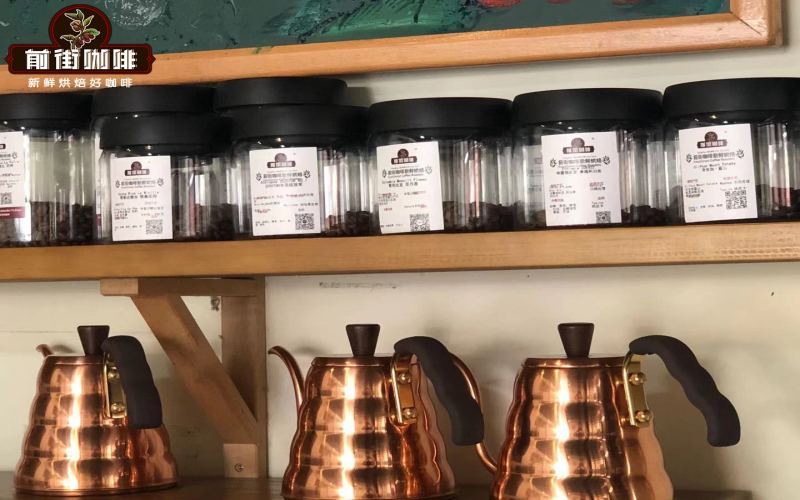
In the world of specialty coffee, COE (Cup Of Excellence) has long been regarded as one of the most credible competitions. It not only determines whether a lot of coffee beans can be sold through auction, but also directly affects a estate's reputation and the income of coffee farmers. This article will walk you through the COE competition format and process, the advantages of auction coffees, and why it has maintained its authoritative status among numerous competitions. At the same time, we will also talk about a coffee on Front Street Coffee's bean list—an auction lot from Ethiopia's first COE competition in 2020, COE22—and look at the origin story and flavor performance behind it, as well as how to bring out its best state in daily brewing. [more…]
A Complete Guide to Kenyan Coffee Flavor Grades and Regions: From AA Classification to the K72 Washed Processing Method
Kenyan coffee is renowned worldwide for its bright acidity and full-bodied juicy mouthfeel. Along with neighboring Ethiopia, it represents African specialty coffee, yet its flavor profile is completely different. Front Street Coffee takes you on a deep dive into the development of Kenyan coffee: from the introduction of coffee during the British colonial period and the establishment of the Scott Agricultural Laboratories to select and breed SL28 and SL34, to the establishment of a grading system based on bean size and cup quality, and further to the unique 72-hour washed fermentation process. This article also outlines the terroir characteristics of core producing regions such as Nyeri, Kirinyaga, and Muranga, analyzes the dual-track trading model in which the Nairobi auction exchange and direct trade operate in parallel, and includes a complete brewing recipe and cupping flavor description for Front Street Kenyan Small Tomato coffee beans. [more…]

Kenya AA Washed Coffee Beans Full Analysis: From Variety Grading to K72 Processing and Pour-Over Flavor
Kenyan coffee is renowned worldwide for its vibrant acidity and full-bodied juiciness, which is distinctly different from the acidity of Ethiopian coffee. Front Street Coffee takes Kenya's colonial history as a starting point to trace the establishment of its meticulous management system, including the selection and breeding of SL28/SL34 varieties, the establishment of the auction system and grading standards, and the unique 72-hour washed fermentation process. This article will also guide you through the terroir differences of core producing regions such as Nyeri, Kirinyaga, and Muranga, and includes the complete roasting curves, cupping performance, and brewing parameters for two beans: Front Street Cherry Tomato AA TOP and Gachatha Cooperative AB, allowing you to understand the full picture of Kenyan coffee in one go. [more…]
How to Fix Kenya AA Pour-Over That's Too Sour? A Complete Breakdown from Regional Grading to K72 Washing
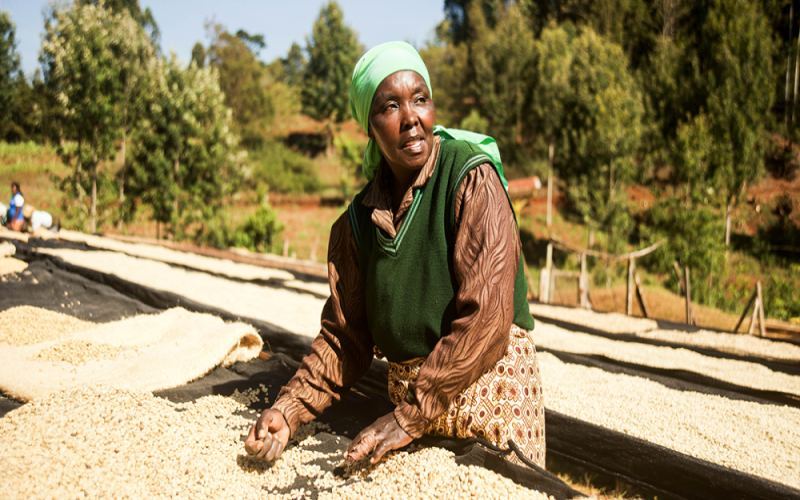
Kenyan coffee is famous for its bright acidity, but many enthusiasts who pick up AA-grade pour-over beans are often troubled by that powerful acidic sensation. From the perspective of Front Street Coffee, this article systematically sorts through the development of Kenyan coffee—the refined management brought during the British colonial period, the selection and breeding of SL28 and SL34, the unique grading and auction system, and the iconic 72-hour washed processing method. It also explains in detail the terroir differences of core producing regions such as Nyeri, Murang'a, and Kirinyaga, and includes the roasting curves and pour-over brewing parameters for two Kenyan beans from Front Street, helping you understand where the acidity comes from and how to make peace with it during brewing. [more…]